
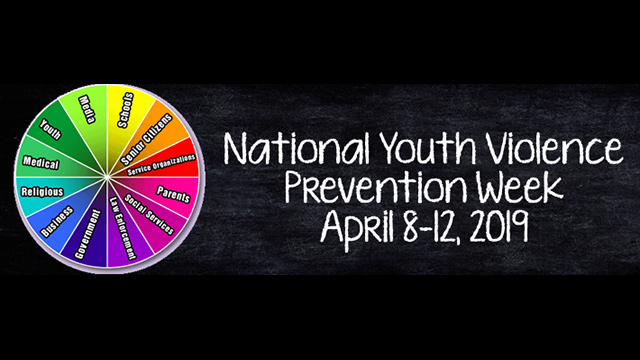
The CDC leads many activities that help us to understand and effectively prevent school violence. Research by the CDC helps us know how big a problem school violence is, what are the factors that increase or decrease the likelihood of school violence, and what prevention strategies work. The CDC also uses the latest knowledge to develop tools and resources that help state and local education agencies and schools create safe places for students to learn.
Preventing Violence in Schools
All students have the right to learn in a safe and protective school environment. Preventing violence in schools can improve the learning environment. School violence prevention programs are most likely to be effective when they
- Are based on research and have been rigorously evaluated
- Are reinforced by community-wide prevention activities that schools, community leaders, organizations, and families have strategically planned, implemented, and evaluated
CDC Resources
Youth Risk Behavior Surveillance System (YRBSS)
CDC monitors risk behaviors, such as violence, that contribute to the leading causes of death among youth in the United States. CDC administers a nationwide survey every two years in public and private high schools so investigators can examine behaviors related to fighting, weapon carrying, bullying, dating and sexual violence, and suicide.
School Health Index
This assessment and planning tool can be used by schools to develop an action plan to improve health and safety. The tool covers five topics: unintentional injuries and violence prevention, physical education and activity, healthy eating, tobacco use prevention, and asthma.
National Centers of Excellence in Youth Violence Prevention (YVPCs)
Through collaborations between researchers and community partners, the YVPCs work with high-risk communities to identify, implement, and evaluate promising prevention programs for reducing youth violence.
Guide to Community Preventive Services
The Community Guide is a resource for systematic reviews and recommendations about what works to improve public health, including what works to stop school and youth violence. Universal, school-based violence prevention programs are one of several violence prevention strategies that have been examined and are recommended because of their demonstrated effectiveness in decreasing rates of violence and aggressive behavior among school-age youth.
Striving to Reduce Youth Violence Everywhere (STRYVE)
The CDC’s STRYVE national initiative provides resources, training, and tools to help prevent youth violence with evidence-based approaches. The STRYVE Online connects schools and other community organizations to the latest resources that support the planning, implementation, and evaluation of a comprehensive youth violence prevention effort.
Measuring Bullying Victimization, Perpetration, and Bystander Experiences
Bullying, particularly among school-age children, is a major public health problem. This compendium provides health educators, prevention specialists, and researchers with tools to measure a range of bullying experiences in order to better understand bullying and to design effective prevention strategies.
Measuring Violence-Related Attitudes, Behaviors, and Influences Among Youths
Understanding violence and knowing if a prevention strategy works are critical pars of addressing school and youth violence. This compendium provides researchers and prevention specialists with a set of tools to assess violence-related beliefs, behaviors, and influences as well as to evaluate programs that prevent youth violence.
School Connectedness: Strategies for Increasing Protective Factors Among Youth
When students feel connected to school, they are less likely to engage in a variety of risk behaviors, including violence and gang involvement, and they have higher grades and test scores and better school attendance. This resource provides school administrators and teachers with strategies to enhance school connectedness among students.
Other Resources
- Indicators of School Crime and Safety: 2016
- A Comprehensive Technical Package for the Prevention of Youth Violence and Associated Risk Behaviors
- Surgeon General’s Report on Youth Violence
- Stopbullying.gov
- Blueprints for Violence Prevention
- Department of Education
- Preventing Suicide: A Toolkit for High Schools
- Federal Bureau of Investigation School Violence Resources
- Department of Education Postsecondary Education Violence Prevention Resources
- United States Secret Service College Campus Violence